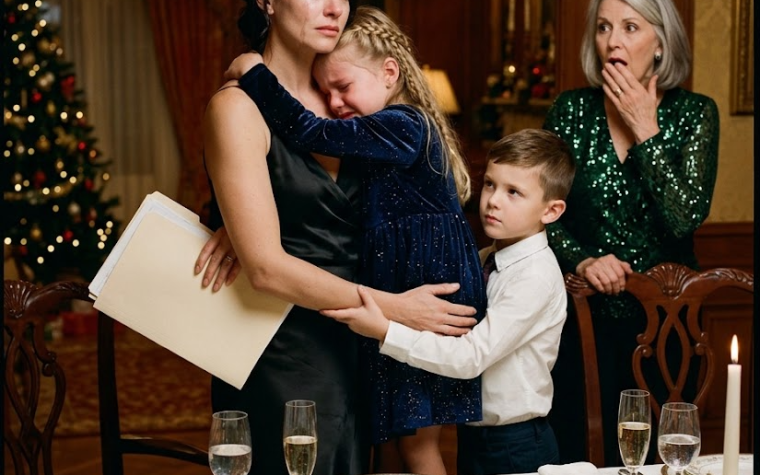
None apologized for asking a court to declare me mentally unfit.
I did not respond.
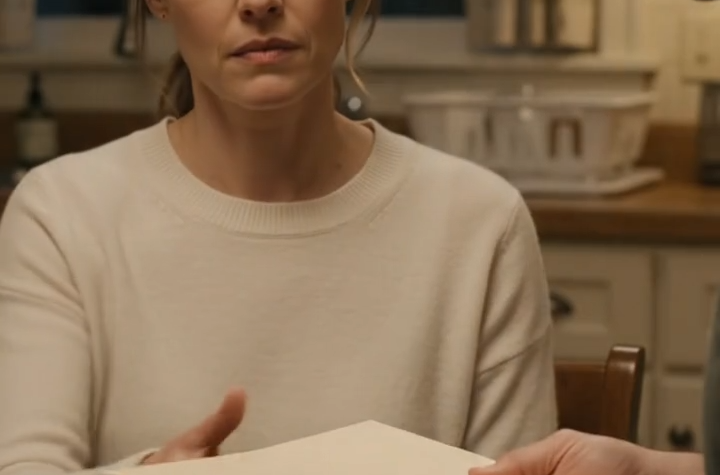
A year after the hearing, I stood alone in Grandma’s kitchen while rain tapped against the windows.
I opened the drawer where she kept old cards and found an envelope with my name on it.
Inside was a single sheet of paper in her careful handwriting.
“Alexandra,” it began, “privacy is not shame.
Sometimes it is the locked door that protects what others have not earned the right to enter.”
I sat at her table and read the sentence again.
For most of my life, I believed being overlooked meant I had failed to become visible.
Grandma understood something I did not.
I had been visible all along.
My parents simply refused to look unless there was something they wanted.
The inheritance did not restore my dignity.
Money could not do that.
My dignity had survived every forgotten celebration, every dismissal, every cruel comparison, and every lie spoken in that courtroom.
The judgment only made one truth official.
They had underestimated the wrong daughter.